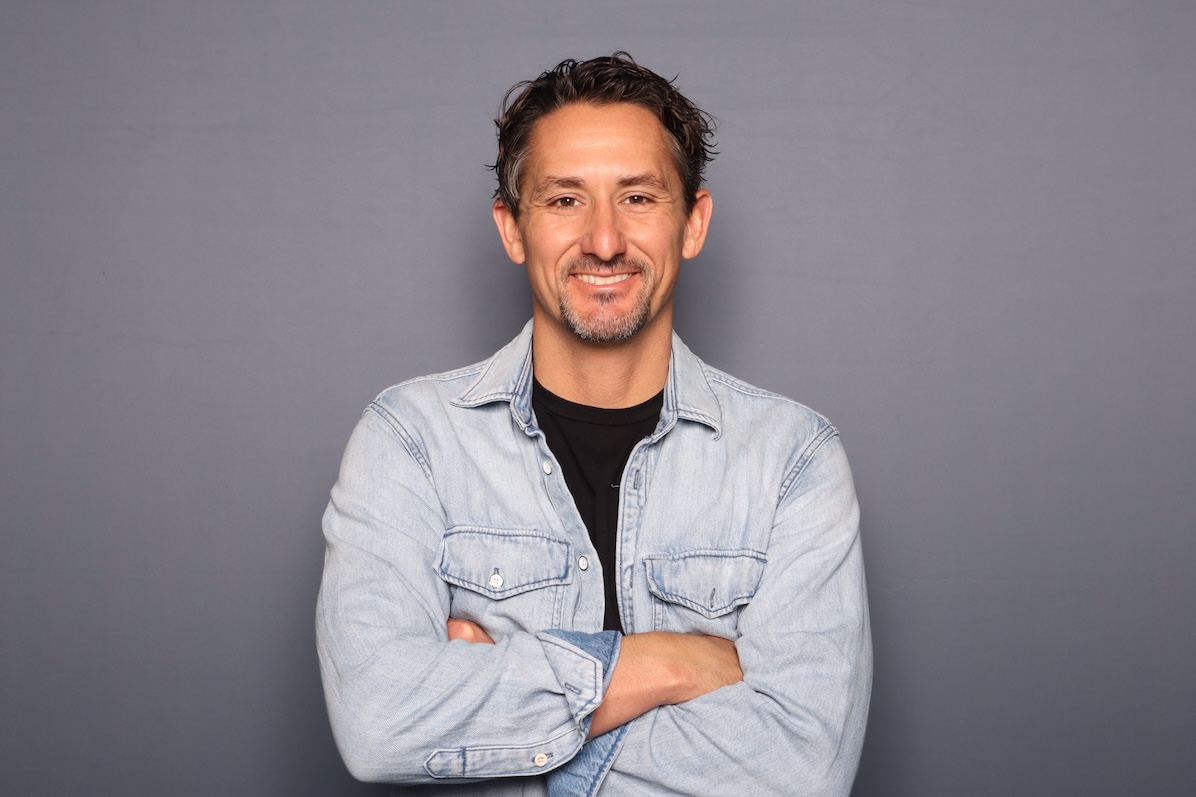
Gregory Scott Henson says he built an IT services company to $70 million in annual revenue without raising a dollar. Now he wants Miami’s investors to stop waiting for someone else to go first.
Henson is founder of Miami-based SocialPost.ai. He also leads Henson Venture Partners and Cloud Veterans, and works with ALIANDO. MAIN has covered SocialPost.ai in 5 Miami AI companies serving small businesses.
This is part of a peer-to-peer series of conversations MAIN runs exclusively with Miami’s AI founders, investors and leaders. We asked Henson a handful of questions in writing. His answers, lightly edited for length, are below.
What did the 9/11 origin teach you that VC-backed founders never learn?
“In 2001 I was working at Microsoft in NYC, and most of my clients were in lower Manhattan. When the towers fell, I worked for free to help those companies relocate out of lower Manhattan. That turned into a calling, and the calling turned into a company.
“In 2002 I started Henson Group from a one-bedroom NYC apartment with no funding. For nine months I was the only employee, running free IT migrations for companies fighting their way back. Then they hired me to build and run their infrastructure.
“That taught me something most VC-backed pre-seed and seed founders never learn: you don’t have to chase revenue on day one. VCs want traction fast and push for it, so most early-stage funded companies never build a real path to revenue. Free got me in the door and built the relationship, and that made it easy to turn those companies into paying customers.
“Nineteen years later Henson Group was a $70M ARR business across six continents. We were the #1 Azure CSP, one of only about 70 Azure Expert MSPs in the world, and #132 on the Inc. 5000. I never raised a dollar. Free first. Paid second. Scale third.”
Henson Group began as free work for clients rebuilding after 9/11. Inc. lists the company at No. 132 on its 2020 Inc. 5000.
How do you split your time across four companies, and what does each teach you about Miami?
“I don’t run any of these alone. Every company has strong people behind it. My time splits roughly 40% SocialPost.ai, 30% Henson Venture Partners, 20% Cloud Veterans and 10% ALIANDO.
“What makes that possible is AI. I have agents running in loops that handle most of the routine work and only come to me when they need a human in the loop. I’ve also hired people whose whole job is to work with those agents: monitor them, code them and improve them. It’s been life changing.
“Each seat shows me a different side of Miami. SocialPost.ai: what it takes to build and hire here. Henson Venture Partners: what founders pitch, and where they stall when they raise. Cloud Veterans: giving back to our local veteran community and helping veterans earn a livable wage in tech. ALIANDO: how enterprise buyers are actually adopting AI.”
What do Miami AI founders get wrong that they wouldn’t in SF or NYC?
“No city sells the founder lifestyle like Miami. Lambos on Brickell Avenue. Hundred-foot yachts sliding down the Miami River. In SF, the product sets the bar. In NYC, revenue sets the bar. Here, too many founders think visibility sets the bar.
“But founder life isn’t a lifestyle. It’s brutal. The founders who win here aren’t chasing the yacht. They’re obsessed with a customer’s problem.”
What’s your filter for saying yes, and how has it changed?
“I back tech companies because that’s what I know and came from. And I bring a network of contact that drives acceleration, not just a check.
“But the traction has to be real. In the US, my bar is $1,000 in MRR. Outside the US, it’s $10,000, because I can’t be as hands-on. The exception is the founder. If it’s a strong founder, especially one who has won before, I’ll waive the revenue requirement. Grit matters more than IQ. Will they see this through when it gets ugly?
“What changed? I used to bet on the pitch. Now I bet on the proof, or the founder.
“Here’s what most people get wrong about venture. You can only lose 1x. You can make 1,000x. So the mistake that really costs you isn’t the bad check. It’s the great company you passed on because the spreadsheet said the market was too small. Plenty of investors sized Airbnb against the hotel industry. Airbnb didn’t take a slice of that market. It created its own.
“That’s why I keep checks small. We write anywhere from $10K to $500K, sized to the next milestone. Most founders don’t need $500K. They need $10K or $25K to hit the next proof point.
“And we lead. Most first-check investors wait for someone else to set the terms. We set them, and founders get a decision within five business days of our first meeting.”
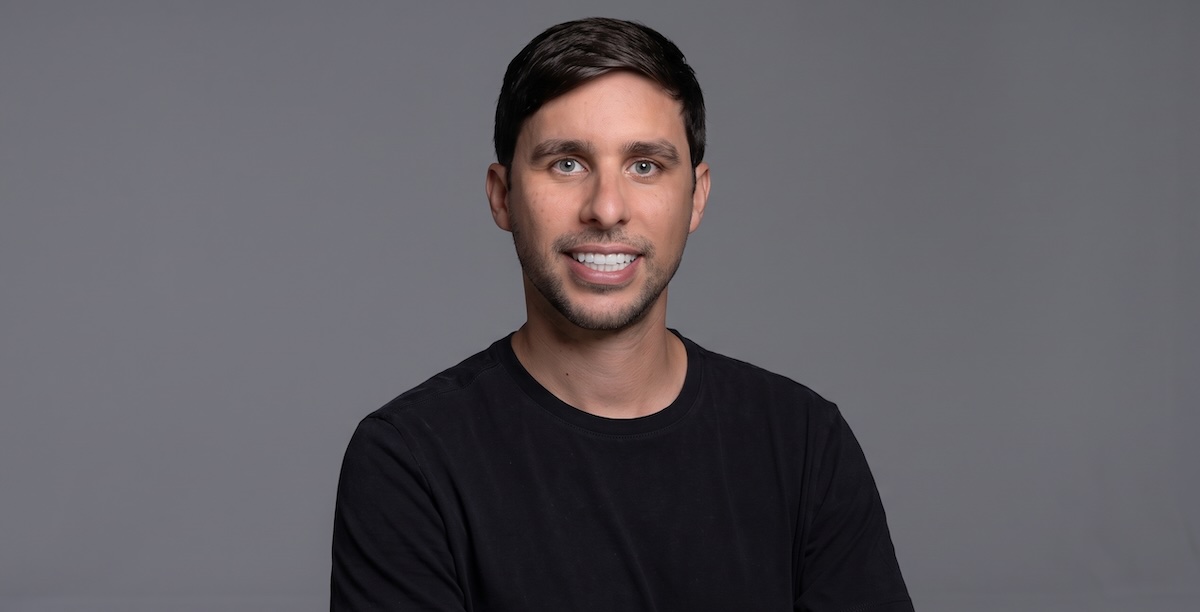
Joshua Siegel of Acronym Venture Capital invests at the next stage up. MAIN spoke with him about Miami’s tweener stage gap.
What metric do you look at first, and what do founders overvalue?
“The first thing I look at isn’t on the P&L. It’s whether this is an AI-first founder with an AI-first team.
“I want a founder who breathes AI, in the business and in their personal life. I’m talking Notion connected to Claude, an army of agents accelerating every part of the company, and a chief of agents managing all of them. The dev team should be building 100 percent inside Claude Code or another CLI. No manual coding.
“If I had to put a number on it, it’s output per person. An AI-first team of five should ship what a traditional team of fifty used to. Without that, you’re going to get killed in today’s market.
“What do founders overvalue? The size of the raise and the valuation. They think a big round is the win. It isn’t. The win is hitting the next proof point on as little capital as possible.”
Why veterans, and what do they bring to AI startups?
“I hired more than 50 veterans at Henson Group, and every one of them delivered. The problem was the ones I couldn’t hire. I passed on more than 100 others because they didn’t have the certifications or hands-on experience yet. That bothered me enough to start Cloud Veterans in 2019.
“We give honorably discharged veterans free training in cloud, cybersecurity and AI, plus certification prep, exam reimbursement and job placement. Employers pay no placement fee. Our veterans pass their certification exams on the first attempt 85% of the time.
“Why they fit AI startups: veterans execute under pressure with incomplete information. They follow through without supervision. They own the mission. That’s the job description at every early-stage startup.”
Veterans entering the workforce are part of the pipeline MAIN described in Miami’s rise as a defense tech hub.
What’s still missing in Miami, and who fixes it?
“Not capital. Conviction.
“Miami has the money. What it doesn’t have is enough investors willing to lead at pre-seed. Most of the capital here wants to follow. So founders hear the same line over and over: ‘Come back when you have a lead.’ Then they go to the next meeting and hear it again. Everyone is waiting for someone else to go first.
“That gets fixed when investors stop waiting. Write the first check. Set the terms. Lead the round. That’s what we do at Henson Venture Partners. I go first, so the rest of the room has someone to follow.”
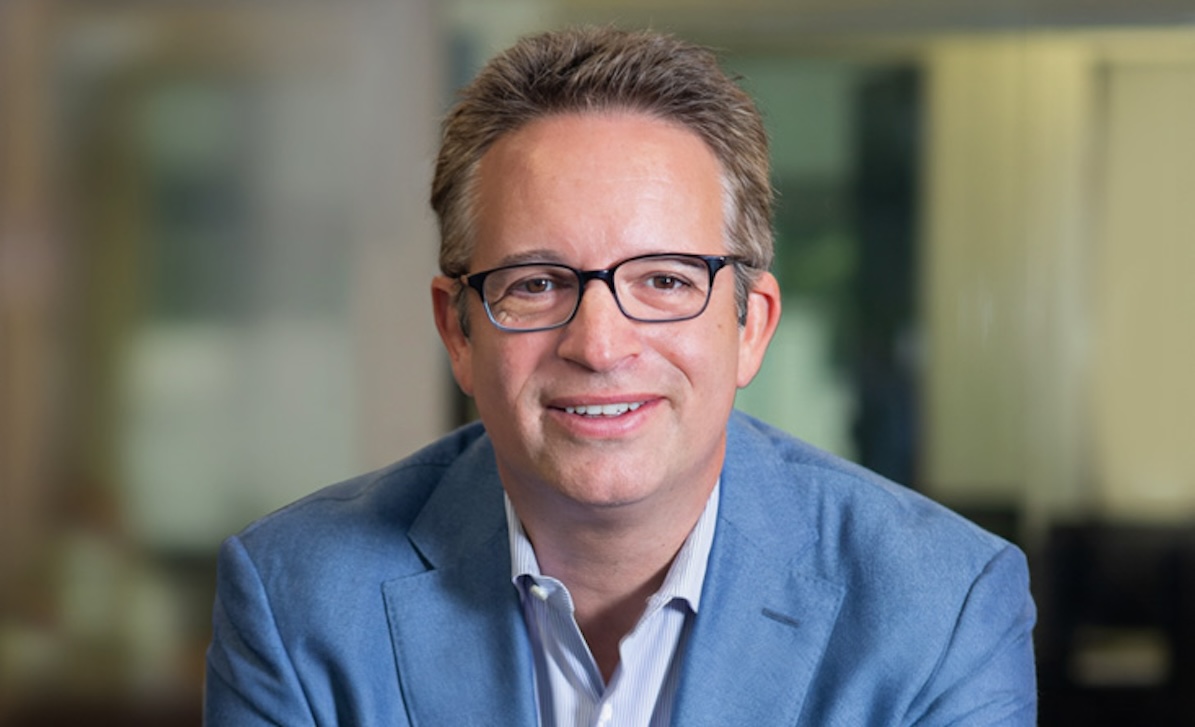
MAIN also asked local investor Joe Roos what gets a Miami startup a yes.
What can’t investors find when tracking Miami AI companies, and what data would help?
“Real traction data. Revenue, retention, and customer counts for early-stage Miami AI companies are almost never public. So investors fall back on what they can see: press hits, panels, and who showed up at which event.
“A verified list of Miami AI companies with three fields would make my job easier: MRR band, stage, and whether the round has a lead. That last one matters most to me. A round without a lead is exactly where I can move fastest. Add cohort retention and I’d use it every week. Revenue tells me a company can sell. Retention tells me customers stay.”
Gregory Scott Henson is founder of SocialPost.ai and Cloud Veterans, and he leads Henson Venture Partners and works with ALIANDO. More at gregoryscotthenson.com.
Sources:
- Gregory Scott Henson, responses to MAIN questions, October 23, 2026
- MAIN: 5 Miami AI Companies Serving Small Businesses (Sept. 24, 2026)
- MAIN Exclusive: Joshua Siegel on Miami’s Tweener Stage Gap (Sept. 28, 2026)
- MAIN Exclusive: Miami Startups - Local Investor Joe Roos Reveals What Gets A Yes (Sept. 21, 2026)
- MAIN: Inside Miami’s rise as a defense tech hub (Sept. 10, 2026)
- Gregory Scott Henson
- Inc.: The Henson Group profile (Inc. 5000 rankings)
- Henson Group: 20th anniversary press release (Jan. 24, 2022)