Roughly four in five attendees at a July family office webinar already use AI at work. More than 80% have no written AI policy.
That was the result of a live poll run by Ignacio Lopez. He calls it a reading of the room, not a formal survey.
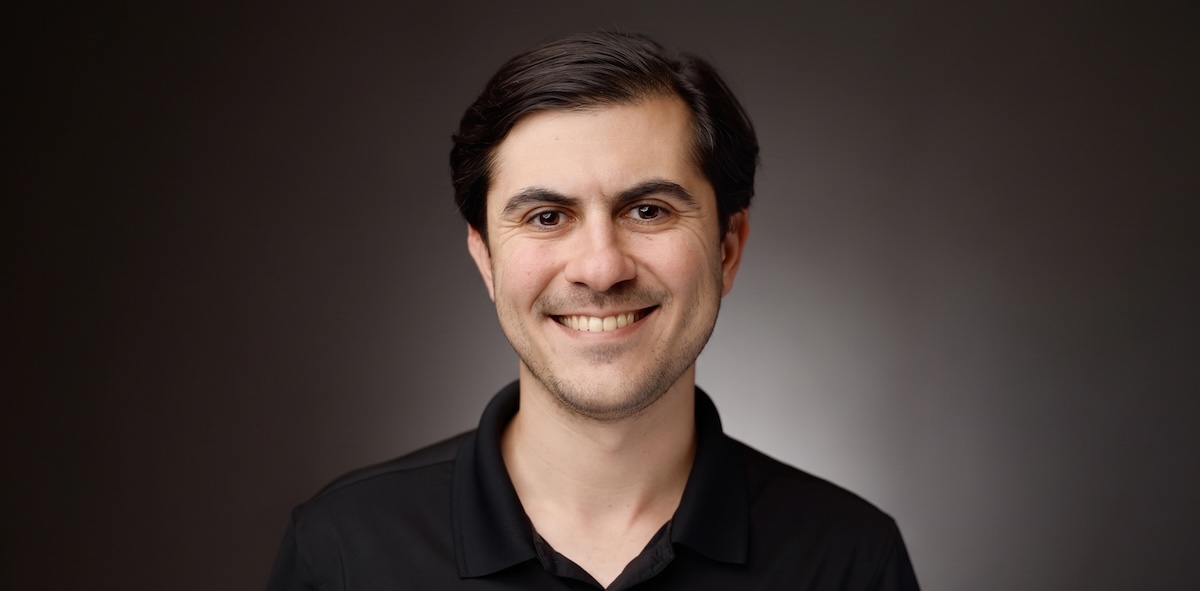
Lopez is founder of Work-Smart.ai, a Miami firm that builds reporting and AI systems for family offices. He also serves the operating groups behind them.
Before that, he was an auditor at KPMG and an information risk manager at JPMorgan.
This is part of a peer-to-peer series of conversations MAIN runs exclusively with Miami's AI founders, investors, and operators. We asked Lopez seven questions in writing. His answers, lightly edited for length, are below.
You ran a live poll with family offices in July. What did you find?
"In July I gave a 45-minute webinar on AI for a family office network in Latin America. Sixty-three people attended, from family offices in eight countries, most of them single family offices. I ran a live two-question poll. Roughly four of five already use AI at work. More than 80% have no written AI policy. It was a reading of the room, not a formal survey."
Adopted almost everywhere, governed almost nowhere. That gap runs through every answer below.
The firm that argued “no policy is safer.” Walk me through that conversation. What was their logic?
"It was a wealth advisor, and his logic was: if the firm writes an AI policy, the firm has adopted AI. If there is no policy, each person uses their own tool, paid for out of their own pocket, and the firm is not involved. So no policy means no exposure. The problem is that an examiner does not stop at whether you had a policy. They ask what you used and how you controlled it. Having no policy does not remove the risk. It just leaves the firm without an answer when someone asks."
“The AI never touches a figure.” Why that line? What happens when it does?
"A model gives you a clean, confident answer whether it is right or not. In a family office, a wrong number goes to the family. So the numbers come from code that runs the same way every time, and the AI works around them. It explains them, flags what changed, and drafts the note. I learned how fragile a clean number is long before AI. We once pointed a reporting engine at a quarter that had already been signed and sent to investors. It found nine formula errors, including a broken cell reference that went out exactly like that. People built it and people checked it, the same way. Let a model calculate the figures and you get the same problem faster, with better formatting."
A reporting engine found nine formula errors in a quarter that had already gone to investors.
What is the worst family office AI setup you have walked into?
"The one I think about most was not even AI yet. A real estate family office where one employee downloaded every invoice, printed it, scanned it, and saved it again before anything was entered. Then the cash flow arrived with cell links that each person had built their own way. The person signing off had to work out, cell by cell, whether each link was right. Nobody was careless. The setup just made the reviewer trust an input he had no way to check. Put AI on top of that and it answers faster from a base nobody can prove."
If a family office called you tomorrow, what is the first thing you check?
"Where each number comes from. Which system is the source, who touches it on the way to the report, and whether there are accounts at the bank that never made it into the portfolio system. Then I sit with the person who actually runs the process and ask two things. What do you like about your job? Where are you losing time? The second answer tells me what to build. The first tells me what to leave alone."
Miami has become a home base for family offices. Why here, and why now?
"For the families I talk to, Miami is where they live and their business is still somewhere else. Many Latin American families here run a company in their home country and the family office in Florida, so every question crosses two jurisdictions. Outside the US, the family office often does not call itself one. It is a grupo, sitting next to the factory, run by the operating company’s CFO. That is exactly where manual reporting breaks. Why now is simpler. The AI is already inside the office, whether anyone approved it or not."
Lopez works from Miami, where he says many families run a company abroad and the family office in Florida.
What’s the one thing family office principals get wrong about AI?
"They treat it as a tool decision. It is an ownership decision. The tool gets bought, or the staff bring their own, before anyone decides who owns the rules, what data can go in, and who checks the output."
Lopez’s answer is ownership, not tools. Someone has to own the rules, the data that goes in and the review of what comes out.
In his July poll, more than 80% had no written AI policy.
Ignacio Lopez is founder of Work-Smart.ai, a Miami firm that builds reporting and AI systems for family offices. He also serves the operating groups behind them. Before that, he was an auditor at KPMG and an information risk manager at JPMorgan. More at work-smart.ai.