Most Founders Still Can't Get a Meeting.
Key Takeaways
- Over $400 million flowed into South Florida startups between July and September 2026. Hydra Host’s $100 million round signals Miami’s growing role in AI infrastructure, though the company’s own materials list Boulder, Colorado as its headquarters.
- Early-stage rounds cluster in fintech infrastructure and enterprise AI, not consumer apps. Joe Roos: “25% of VC-backed companies come from the Bay Area. Miami gets 3%.”
- Ron Tarro: “Some of that capital represents tax refugees who are in reality focused elsewhere for investing.”
- Mark Volchek: “The gap is still depth, particularly as companies scale.” The money is here, but access still runs through networks, not cold emails.
“…52% of VC dollars have gone to Bay Area based start-ups while Miami start-ups received less than 1%.”
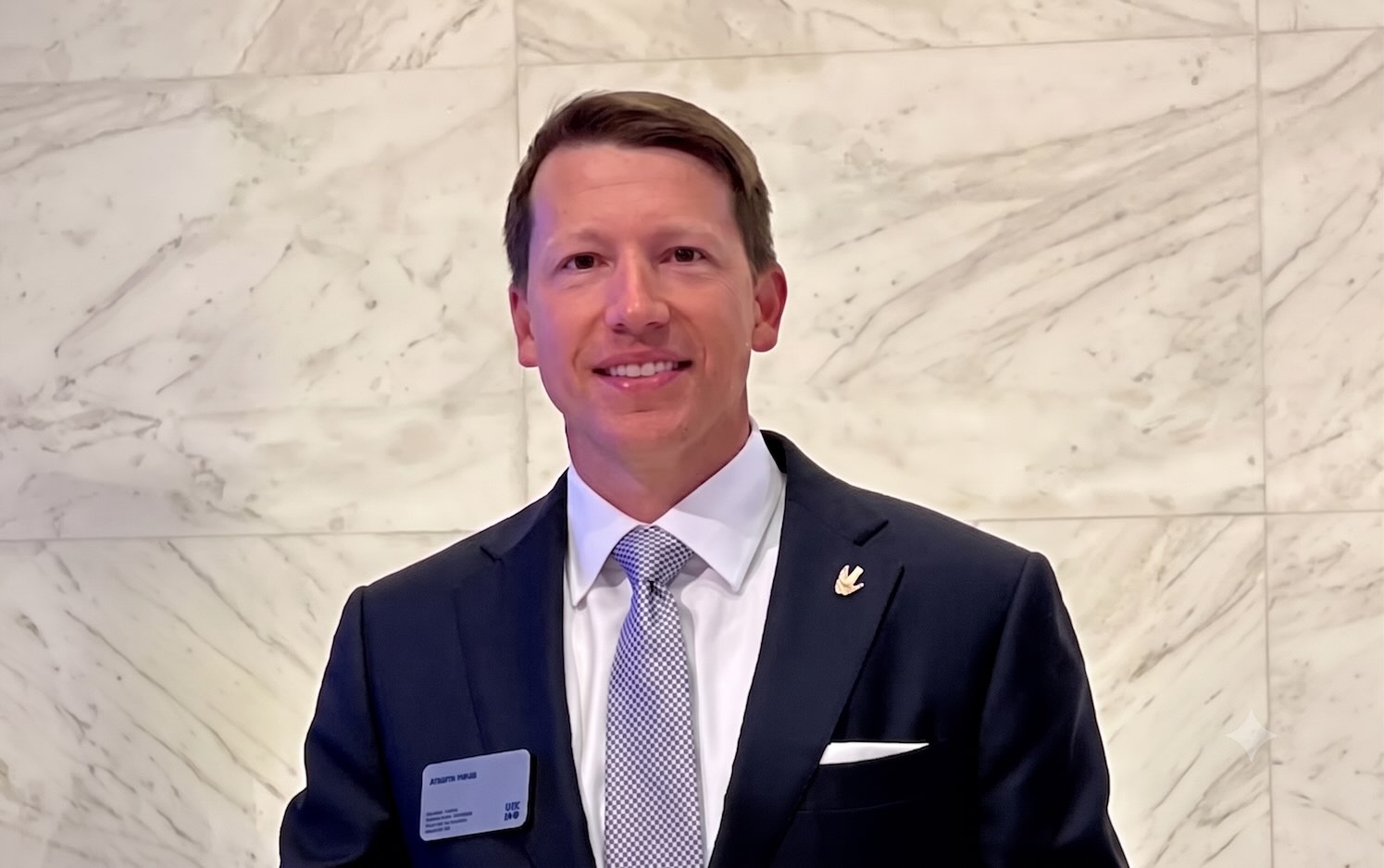
Joe Roos
More than $400 million flowed into Miami startups between July and September 2026. MAIN compiled the figures from public filings and funding announcements. The rounds span AI compliance, cybersecurity, sports media, climate tech, healthtech and the heavy infrastructure that powers artificial intelligence itself.
We put this to our panel of three of South Florida's most active check-writers: Joe Roos, CIO of ZFO and founder of Roark's Drift; Ron Tarro, President of New World Angels; and Mark Volchek, Founding Partner of Las Olas Venture Capital. Their answers reveal what actually gets to yes, and why most pitches never make it.
For founders trying to raise their first check in Miami, the money can feel closer than ever. It can also feel just as out of reach.
Joe Roos has a number for why. The ZFO CIO and founder of Roark's Drift puts it plainly. “About 25% of VC backed companies come out of the Bay Area compared to only 3% for Miami. In recent times, 52% of VC dollars have gone to Bay Area based start-ups while Miami start-ups received less than 1%.”
The gap isn’t closing for Miami startups. But what gets built here, and who gets to build it, is changing fast.
The Quarter’s Anchor: Hydra Host’s $100M Infrastructure Round
The largest round of the quarter wasn’t a consumer app or a sports platform. It was Hydra Host, a GPU infrastructure company with an office in Miami. It closed a $100 million Series A led by Kindred Ventures.
Nvidia, ARK Invest, Comcast Ventures, Magnetar and PEAK6 joined the round, alongside existing backers Founders Fund and 10x Founders. Hydra Host’s technology manages data centers and GPU capacity, giving operators a way to deploy and monetize AI infrastructure at scale.
Hydra Host’s LinkedIn lists Miami, Florida. Its own press materials list Boulder, Colorado. Refresh Miami calls it Miami-based. That’s a real discrepancy, not just a technicality. A $100 million Series A with a Miami office, a Miami LinkedIn, and a co-founder talking about building a unicorn “here” tells you where the company wants to be seen. Where its incorporation papers actually place it is a separate question, and MAIN isn’t settling that one for them.
That distinction matters less for the ecosystem argument than the deal itself. Infrastructure companies hire engineers. They anchor supply chains. Wherever Hydra Host’s headquarters technically sits, its Miami office is real. Its presence here makes other infrastructure builds in the region more plausible.
Where the Money Went: Q3 2026 Miami-Area Funding Rounds
AI Infrastructure & Enterprise
| Company | Round | Amount | Lead Investors | What They Build |
|---|---|---|---|---|
| Hydra Host | Series A | $100M | Kindred Ventures | GPU infrastructure management and marketplace |
| Comp AI | Series A | $34M | Roo Capital, Grand Ventures | AI-powered enterprise compliance and security |
| Flamingo | Seed | $4.5M | Vertex Ventures | AI agents for IT and managed service providers |
| Wayy | Pre-Seed | $2M | 0 to 1 Ventures | AI sales co-founder for solo entrepreneurs |
Fintech Infrastructure
| Company | Round | Amount | Lead Investors | What They Build |
|---|---|---|---|---|
| Cordant | Seed | $8M | SignalFire, Bankless Ventures, FJ Labs | Financial infrastructure oversight for banks and fintechs |
| Cyclops | Series A | $20M | Nava Ventures | Stablecoin settlement rails behind a single API for payment companies |
Cybersecurity
| Company | Round | Amount | Lead Investors | What They Build |
|---|---|---|---|---|
| Cantina | Venture | $8M | Framework Ventures | Agentic security platform, automated vulnerability triage and fixes |
Early-Stage & Pre-Seed
| Company | Round | Amount | Lead Investors | What They Build |
|---|---|---|---|---|
| Stello AI* | Pre-Seed | Undisclosed | Florida Funders | AI-powered HR compensation and payroll automation |
*Stello AI is based in Tampa, not Miami. It’s included here because it’s the first investment made under Florida Funders’ new “Florida First Check” strategy. That’s a statewide pre-seed program with Miami roots, and South Florida founders are eligible for it too.
Media, Sports & Climate Tech
| Company | Round | Amount | Lead Investors | What They Build |
|---|---|---|---|---|
| Unrivaled | Series C | $100M+ | Ten Pillars Sports Fund | Player-owned women’s basketball league |
| State Affairs | Venture | $70M | Founders Fund, Khosla Ventures (among others) | AI-powered policy and regulatory intelligence platform |
| Kind Designs | Venture | $10M | Mark Cuban, Adrian Fenty, Kyle Kuzma | 3D-printed living seawalls, coastal infrastructure |
Healthtech & Biotech
| Company | Round | Amount | Lead Investors | What They Build |
|---|---|---|---|---|
| RapidPulse | Series B | $48M | Medtronic, TechWald Next, S3 Ventures | Minimally invasive stroke aspiration devices |
Total tracked: $404.5M+ across 12 disclosed rounds
The Pattern: Infrastructure Over Apps
Look at the list. Hydra Host builds GPU infrastructure. Comp AI builds compliance infrastructure. Cordant and Cyclops build fintech infrastructure. Flamingo builds security infrastructure for IT teams. Kind Designs is literally building coastal infrastructure.
The quarter’s money didn’t fund Miami’s next consumer app. It funded the picks and shovels other companies use to dig. That lines up with what Roos looks for. “We tend to be thematic investors allocating to themes that we think will persist… such as vertical AI, humanoid robotics, nuclear, and quantum.”
Infrastructure persists. Consumer apps cycle.
A Defense Tech Pipeline Takes Shape
Beyond the raw dollars, September brought a structural change. Miami-based venture studio Misfit Labs announced a partnership with Black Mountain Strategies, a Fort Myers defense-technology consultancy. Together they’re building a pipeline for South Florida founders launching dual-use defense and national security startups.
MAIN has covered Miami’s broader defense tech push as a recent convergence, not a decades-old trend. The region’s military installations and combatant commands are not new. What’s new is the venture capital, corporate relocations and institutional support needed to build companies around them. The Misfit Labs partnership fits that same pattern. It promises faster development timelines and a path from idea to government contract that the region has historically lacked.
For Miami startups in the defense sector, this pipeline may matter more than any single venture round this quarter.
The Angel Investor Scene Just Consolidated
The biggest structural change in South Florida's early-stage ecosystem happened in mid-March 2026. Miami Angels and New World Angels merged into a single statewide platform under the New World Angels banner, an agreement reached months earlier, now fully executed with membership and portfolio migrated, according to New World Angels president Ron Tarro.
The merged organization expands New World's fintech focus, bringing statewide financial industry investors into Miami's increasingly deep fintech ecosystem. The combined group brings together roughly 165 members, New World Angels' 100 and Miami Angels' 65, under one structure. It's often cited as a "$65 million" platform.
That figure represents deployed and committed capital across both legacy networks, according to reporting on the deal. It is not a new fund raised in one vehicle.
For founders, the practical change matters more than the number. South Florida’s angel scene used to be fragmented into regional pockets: Boca Raton, Miami, Fort Lauderdale, West Palm Beach. Each had its own application process. The merger creates a single point of entry for Miami startups raising pre-seed and seed rounds across the Miami-to-Palm Beach corridor.
The combined entity pairs New World’s structured industry expertise with Miami Angels’ tech-forward community network. It screens startups across B2B SaaS, fintech, climate tech and healthtech.
Beyond New World, the roster includes:
- Florida Funders: Hybrid VC fund and angel network with 2,000+ investors and $300M+ deployed. Its new “Florida First Check” pre-seed strategy backed Stello AI as its first investment
- Gold Coast Angel Investors: Syndication checks alongside institutional leads
- Black Angels Miami: Expanding capital access for underrepresented founders
- Cane Angel Network: University of Miami-managed, with graduate students assisting due diligence
The pattern across all of them is the same. Warm introductions heavily outweigh cold entries. Founders active in the local ecosystem, or referred by portfolio companies, get the meetings.
Three Investors, Three Filters
The Q3 numbers tell one story. The investors tell another. We asked three of South Florida’s most active check-writers the same three questions. Their answers reveal what actually gets to yes, and why most pitches never make it.
Joe Roos, CIO of ZFO and Founder of Roark’s Drift
Portfolio: Maestro, Fit:Match, 776 Fund, Meta4, Valar Atomics
The pass: “Vague emails, a mass-mail tone, inflated claims, etc. instantly kill the pitch.”
The yes: “The ideal founder is someone who has identified a potential product or solution for a problem that they have experienced directly… the perfect balance of ‘crazy.’”
The gap: “25% of VC backed companies come out of the Bay Area compared to only 3% for Miami… Florida founders need to start building potential funding relationships long before they actually need the capital.”
“You’re not competing for capital locally. You’re competing statewide and nationally.”
Ron Tarro
Ron Tarro, President of New World Angels
The pass: “We will pass on products that are incremental (not transformational) in their impact. Incremental products can be the foundation for profitable companies but are often not venture investible.”
The yes: Seagate Space, “a robotic ocean going space launch platform out of Tampa Bay area. It has everything that makes an early stage investor nervous… But it’s creating a new category: sea launch capabilities from strategic (ocean) locations.”
The gap: “Capital in Miami (and statewide) has grown faster than the early stage ecosystem, which is itself growing. The reality is that some of that capital represents tax refugees who are in reality focused elsewhere for investing… You’re not competing for capital locally. You’re competing statewide and nationally.”
Mark Volchek, Founding Partner of Las Olas Venture Capital
The pass: “The company is simply too early relative to the level of comfort we need. At seed, we are looking for more than early product-market fit. We want to see evidence of repeatable customer demand, high-quality revenue, and a team that is executing with urgency.”
The yes: “Clear customer pull and effective founders. They are shipping quickly, converting that demand into real usage and revenue, and adjusting based on what they are seeing in the market.”
The gap: “Miami has made meaningful progress at the early stage… The gap is still depth, particularly as companies scale. There are fewer locally based investors writing larger Series A and growth checks… so many of the strongest companies still need outside capital.”
What the Money Tells Us
“The founders who raised in Q3 were building relationships back in Q1” MAIN
The $400M-plus quarter is real. But it concentrates in sectors where founders already have technical depth, existing networks or institutional backing. Pre-seed and seed-stage founders, the ones building the next Comp AI or Cantina, still face the access problem Roos describes.
“Most cold outreach deals do not get funded,” he said. “Always try to find a warm intro through mutual connections if possible.”
Startup funding in Miami is a managed process, not a lottery ticket. Roos put it this way: “Strong fundraising is a managed process: a targeted list of sector focused funds, consistent outreach, disciplined follow-up… and enough runway to preserve negotiating leverage.”
The episodic approach, raising when the bank account runs low, going quiet for months between investor touches, kills urgency and FOMO. The founders who raised in Q3 were building relationships back in Q1.
The Pre-Seed Reality Check
For pre-seed Miami startups, the bar is specific. Roos doesn’t need revenue, LOIs or a working demo. He needs what he calls “the perfect balance of crazy.” That means a founding team so committed to the problem. Nothing else matters to them.
“Why else would a founder pursue something that is statistically destined to fail… and getting punched in the face every day?” he asked.
Maestro, the mortgage AI startup in his portfolio, fit the pattern. Its founder had 20-plus years of domain expertise, a prior exit to RE/MAX, and a problem he had lived personally.
That’s the template. Not a pitch deck. A person who can’t not build this.
Volchek’s seed-stage filter is different but complementary. Customers need to be buying, staying and expanding. The bar moves from team and problem at pre-seed to repeatable demand at seed. Founders who don’t know which game they’re playing waste cycles pitching the wrong evidence.
What Happens Next
“Be investible independent of region.”
Ron Tarro
Q4 brings eMerge Americas planning, year-end fund allocations and the usual slowdown in announced rounds. But the pipeline built this quarter, spanning AI infrastructure, defense tech and compliance platforms, points somewhere. 2027 could be the year Miami startups stop comparing themselves to the Bay Area.
The money is here. The question is whether founders can access it. Roos’s answer is consistent. Build the network before you need it. Treat fundraising as a discipline. Be so right about your problem that investors feel crazy saying no.
Tarro’s message is blunter. “Be investible independent of region.” The founders who raised in Q3 weren’t asking for Miami money. They were building companies that competed statewide and nationally, and happened to be based here.
“The ecosystem has clearly matured, but the depth of local capital, particularly at later stages, has not yet caught up.”
Mark Volchek
Volchek sees the maturation. “The ecosystem has clearly matured, but the depth of local capital, particularly at later stages, has not yet caught up.”
All three are saying some version of the same thing. The quarter was real. The gap is real. The founders who close it will be the ones who stopped waiting for Miami to become the Bay Area. They started building for the market that actually exists.
So What Should Miami Startups Do With All This?
“We want to see evidence of repeatable customer demand, high-quality revenue, and a team that is executing with urgency.”
Mark Volchek
Start now. Build your investor list before you need it. Don’t wait until the runway runs thin. Map the funds that actually write checks in your sector, not the ones that just say they do.
Get to eMerge Americas, Fort Lauderdale Tech Meetup and New World Angels events before you have a pitch ready.
The founders who raised in Q3 weren’t lucky. They were prepared. The next quarter starts the same way, with relationships built months before the ask.
Frequently Asked Questions
How many active investors are based in Miami?
MAIN tracks the firms and angels actually writing checks in South Florida. That’s not a scraped list of every fund with a Miami mailing address. Our Q3 2026 funding tally covers 12 disclosed rounds totaling more than $400 million. That range runs from Hydra Host’s $100 million Series A to Stello AI’s undisclosed pre-seed check.
How do Miami startups reach investors as a first-time founder?
Warm introductions convert far better than cold outreach, according to every investor MAIN has asked. Joe Roos of ZFO puts it plainly: “Most cold outreach deals do not get funded.” Start building relationships at eMerge Americas or Fort Lauderdale Tech Meetup. Do it months before you need the capital.
Do Miami investors fund startups based outside the region?
Many do at seed and beyond, but the preference for Miami-headquartered founders tightens at pre-seed. If you’re building elsewhere, lead with traction and a specific reason South Florida’s network compounds your business, or consider relocating. The founders who raised in Q3 2026 were embedded here first.
Ron Tarro is at New World Angels, Joe Roos is CTO at Zittman Family Office and Founder of Roark’s Drift and Mark Volchek is at Las Olas Venture Capital
Related coverage: