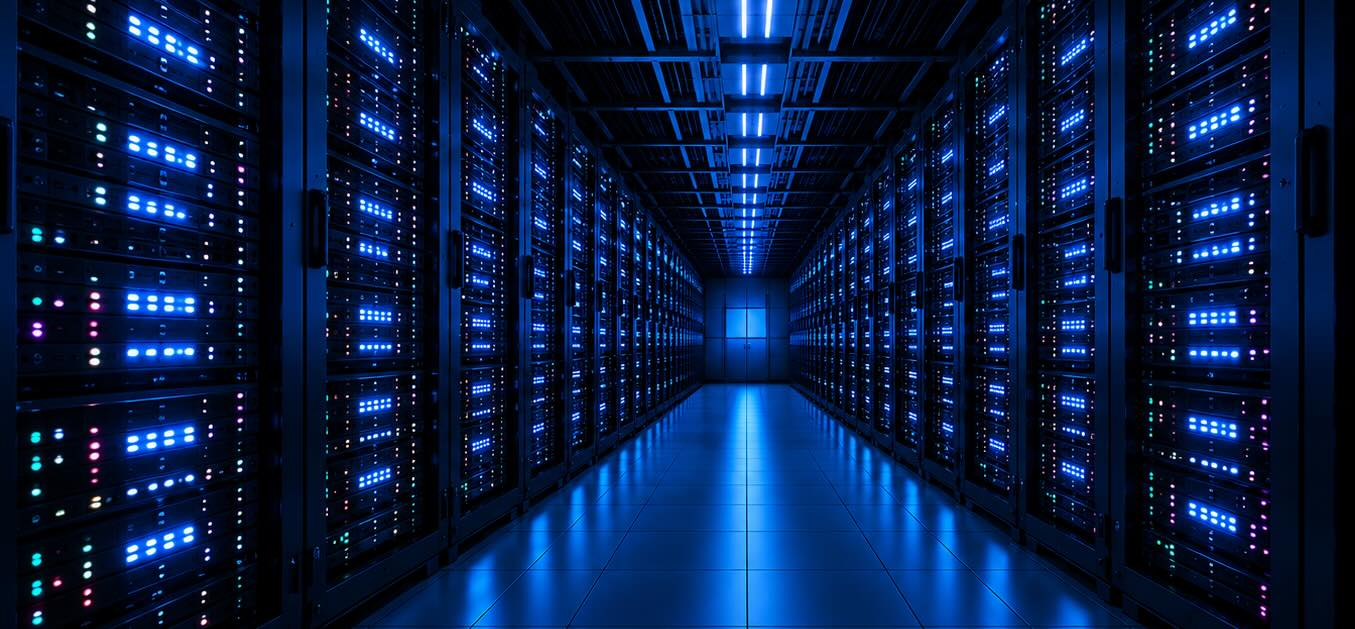
Nineteen billion dollars is a remarkable amount of money to invest in data centers in Kentucky.
But that's exactly the bet TeraWulf and Anthropic are reportedly making, and it says a great deal about where the AI industry sees its biggest bottleneck.
According to CoStar, TeraWulf, a company best known for bitcoin mining, has signed a deal worth $19 billion to develop data center infrastructure for Anthropic, the AI company behind Claude.
The facilities will be built in Kentucky, adding another state to the growing list benefiting from the AI industry's enormous demand for computing capacity.
For TeraWulf, it's a significant evolution. The company built its business around cryptocurrency mining, but is now positioning itself as a provider of critical AI infrastructure.
From Bitcoin Mining to AI Infrastructure
The transition reflects changing economics.
Cryptocurrency mining has become increasingly challenging, with volatile digital asset prices and higher energy costs squeezing margins. AI infrastructure, by contrast, offers long-term contracts and sustained demand from companies racing to secure computing capacity.
TeraWulf isn't alone.
Former crypto miners including Core Scientific and Hut 8 have also repositioned themselves as AI infrastructure providers, leveraging their expertise in power management, large-scale facilities and high-density computing.
Anthropic, meanwhile, continues expanding aggressively. Backed by major investments from Amazon and Google, the company is securing long-term computing resources rather than relying exclusively on third-party cloud providers.
Why Kentucky?
Kentucky offers several advantages that have become increasingly valuable for AI infrastructure projects: relatively affordable electricity, available land and state support for large-scale industrial investment.
It's part of a broader trend that has seen AI data centers spread beyond traditional technology hubs into states such as Texas, Georgia and Kentucky.
The limiting factor for AI expansion is increasingly electricity and infrastructure rather than capital or engineering talent.
That reality is reshaping the geography of America's technology industry.
The Bigger Picture
The AI industry's demand for compute continues to accelerate, with leading AI companies committing tens of billions of dollars to chips, data centers and power infrastructure.
Deals like this demonstrate that some of the biggest winners in the AI economy may not be model developers at all. Instead, they are the companies capable of delivering the physical infrastructure needed to support the next generation of AI systems.
For TeraWulf, the agreement represents more than a new contract. It signals a transformation from a cryptocurrency miner into a long-term infrastructure partner for the AI industry.
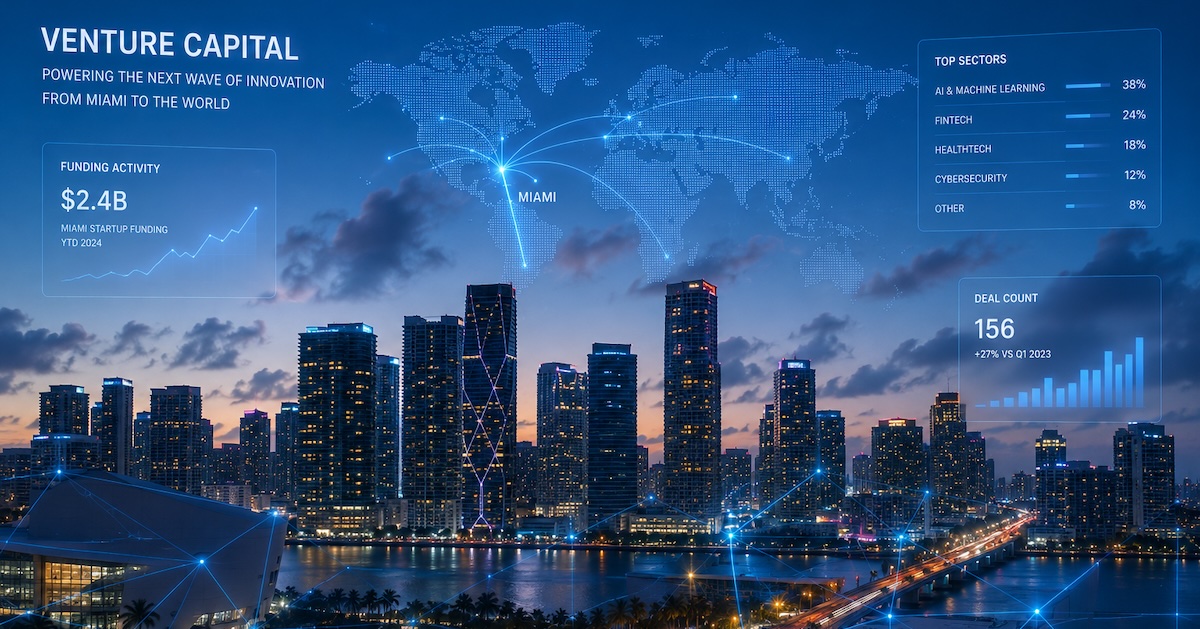
What This Means for Miami
South Florida isn't currently home to AI infrastructure projects on this scale, but the deal highlights where much of the industry's capital is flowing. Increasingly, investment is going into physical assets such as power infrastructure, land and large-scale data centers rather than consumer-facing AI applications.
For Miami investors, TeraWulf's transformation illustrates another investment theme worth watching: companies with expertise in energy, infrastructure and large-scale computing may become some of AI's biggest beneficiaries without ever building their own AI models.
It's also a noteworthy signal for South Florida's established crypto community. Businesses that developed expertise operating energy-intensive computing infrastructure during the crypto boom may find new opportunities supporting the rapidly expanding AI economy.