Deirdre Bosa is leaving CNBC to build an AI-focused media venture of her own.
The longtime business news anchor announced that she will leave the network at the end of August and launch an independent video show focused on artificial intelligence and the industries, institutions and geopolitical forces being reshaped by it.
Bosa has been with CNBC since 2012 and most recently worked as an anchor from the network's San Francisco bureau. She also anchored TechCheck from 2021 through 2023, covering technology, business and Silicon Valley.
Now she's betting that AI has become important enough to support an entire media operation rather than simply another segment on a business news network.
"This moment of AI has outgrown the ticker." — Deirdre Bosa
AI Has Outgrown the Technology Beat
Bosa's explanation for the move is notable because she isn't framing AI as simply another technology story.
She argues that the technology now reaches into work, energy, national security, financial markets and corporate power.
That represents a significant change for business journalism.
AI was once largely covered through technology companies, chipmakers and software firms. Now it appears in stories about electricity demand, employment, government policy, defense, capital markets and corporate strategy.
Bosa is positioning her new show around that broader intersection.
As she put it in announcing the move, the story is moving faster than the traditional news cycle.
An Independent Venture
Bosa will build the new venture with Jas Wu.
Beyond that, relatively little has been disclosed.
The name of the show has not been announced, nor has Bosa revealed its launch date or distribution platform. It is also not yet clear whether the venture will remain fully independent or partner with an existing media company.
That leaves the business model open as well.
The opportunity, however, is clear.
Bosa already brings more than a decade of experience covering technology and financial markets, along with an established audience from CNBC.
An independent platform potentially gives her greater control over format, distribution and editorial focus than a traditional network role.
Why This Matters for Business Media
Bosa's departure comes as established journalists increasingly have the ability to build audiences outside traditional media organizations.
Newsletters, podcasts, YouTube channels, social platforms and independent video businesses have created alternative distribution routes for journalists with strong personal brands.
But Bosa's move is slightly different from simply starting a personal newsletter or podcast.
She's betting on an entire subject area.
AI is now broad enough to support coverage spanning technology, markets, business, energy, employment, government and geopolitics.
That gives an AI-focused media operation a potentially much larger editorial territory than the technology beat traditionally occupied.
What Happens Next
The unanswered questions are now commercial as much as editorial.
Where will the show be distributed?
Who will finance it?
How frequently will it publish?
And can an independent AI media brand compete for the attention of audiences already being served by CNBC, Bloomberg and an expanding ecosystem of technology creators and specialist publications?
Bosa has not answered those questions yet.
For now, the important development is that a veteran business journalist has decided AI is significant enough to leave a major financial news network and build an entire show around it.
What This Means for Miami
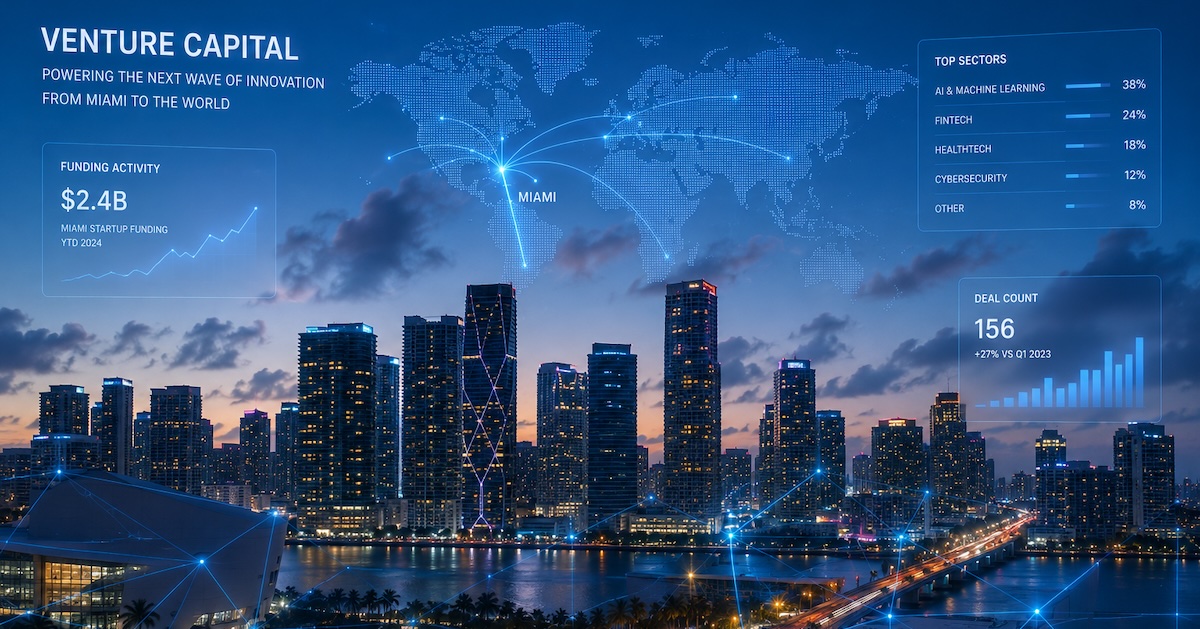
Miami has spent the past several years building a larger AI, fintech and technology ecosystem, creating a growing audience for specialized coverage of the sector.
Bosa's move is relevant because it illustrates how the media market around AI is changing alongside the technology itself.
National business networks will continue to cover the biggest companies and deals.
But independent AI-focused outlets can go deeper into specific ecosystems, industries and regional markets.
That creates an opening for Miami.
A publication focused specifically on South Florida's AI economy does not need to compete with CNBC on national financial coverage.
It can cover the companies, investors, researchers, infrastructure projects and people building the local ecosystem — while connecting those developments to the much larger AI story Bosa is now pursuing.
The media business around AI is becoming more fragmented.
For regional publications, that fragmentation could be an opportunity rather than a threat.