Post Summary: Goldman Sachs forecasts that global AI investment will exceed $1 trillion in 2026, driven largely by continued spending on data centers, chips and enterprise AI adoption. The projection underscores how central AI has become to corporate capital planning, even as questions persist about returns on that spending. This piece breaks down what the forecast means, why it matters now, and how it could ripple through markets and regional tech ecosystems, including South Florida's growing AI and venture landscape. #AIInvestment #AIInfrastructure #DataCenters #Semiconductors #Nvidia #EnterpriseAI #VentureCapital #TechInvestment #AIStocks #GoldmanSachs #AIAdoption
A trillion dollars is a number most industries never touch.
AI is about to blow past it.
That's the headline projection from Goldman Sachs, which forecasts that global investment in artificial intelligence will exceed $1 trillion in 2026.
The estimate covers spending on data centers, semiconductors, cloud infrastructure and enterprise software tied to AI development and deployment.
It's a striking figure, but not a shocking one to anyone who has watched capital expenditure announcements from companies such as Microsoft, Amazon, Google and Meta over the past two years.
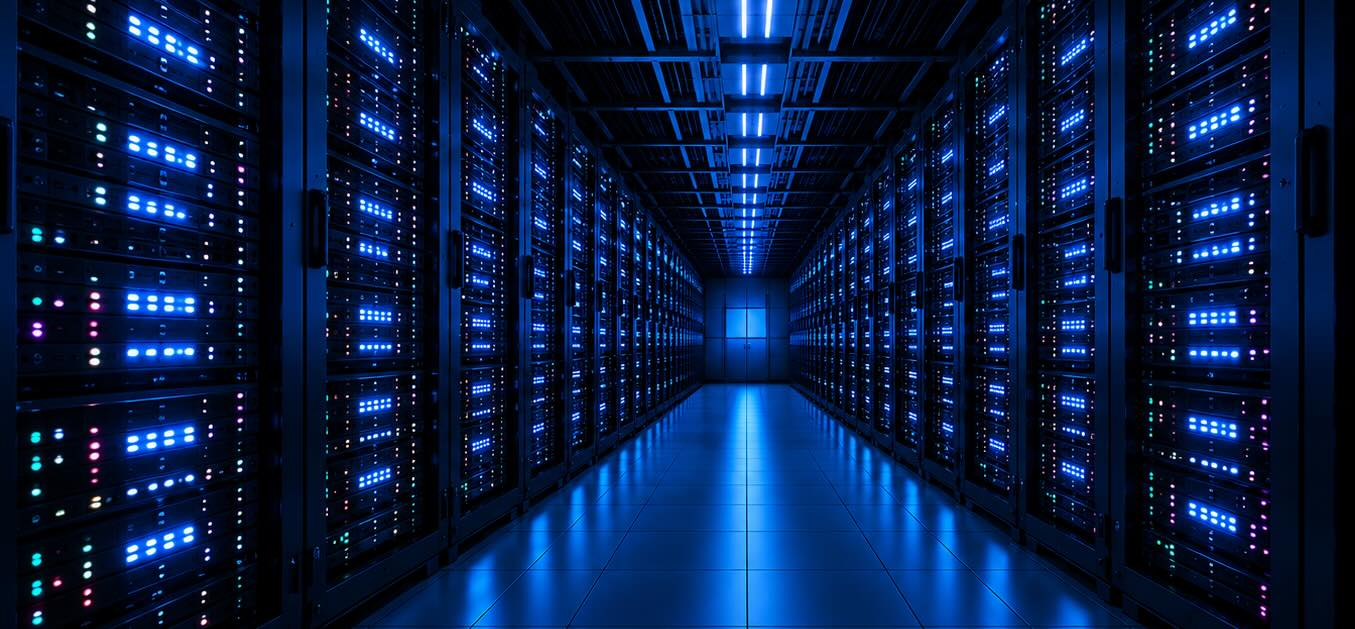
Those companies alone have poured tens of billions of dollars annually into building out the physical backbone AI needs to function: chips, power, cooling systems and massive server farms.
Why the Number Keeps Climbing
Goldman's forecast reflects a simple reality: AI has moved from experimentation to infrastructure.
Companies aren't just testing chatbots anymore. They're rebuilding core systems, from customer service to logistics to drug discovery, around AI models that require enormous computing power to train and run.
That shift has turned AI spending into a multiyear capital commitment rather than a one-time bet.
Semiconductor demand remains a major driver. Nvidia's dominance in AI chips has made it one of the world's most valuable companies, while rivals are racing to catch up.
Power availability has also become a bottleneck, pushing tech giants into direct deals with utilities and even nuclear providers to secure enough electricity for their data centers.
The Bigger Question: Returns
Here's the tension underneath the trillion-dollar figure.
Spending is accelerating faster than clear proof of profitability across many AI applications.
Executives and investors are asking harder questions about whether this level of investment will pay off, or whether the industry is building capacity faster than demand can justify.
Goldman's own analysts have flagged this concern in prior research, noting that AI's productivity gains, while real, haven't yet matched the scale of spending going into the technology.
Still, the capital keeps flowing.
Venture funding, corporate budgets and public markets have largely rewarded companies that signal aggressive AI investment, even when the near-term earnings impact remains unclear.
That dynamic has created what some economists describe as a classic infrastructure buildout cycle, similar in shape, if not scale, to the early internet or telecom booms.
Overbuilding is a real risk.
So is underestimating demand.
A Market Too Big to Ignore
Whichever way it breaks, a trillion-dollar AI economy changes the calculus for everyone connected to it: chipmakers, cloud providers, enterprise software vendors and the investors backing them.
It also raises the stakes for regions competing to attract AI-related jobs, data centers and startup activity, as the money moving through the sector increasingly shapes where growth concentrates.
What This Means for Miami
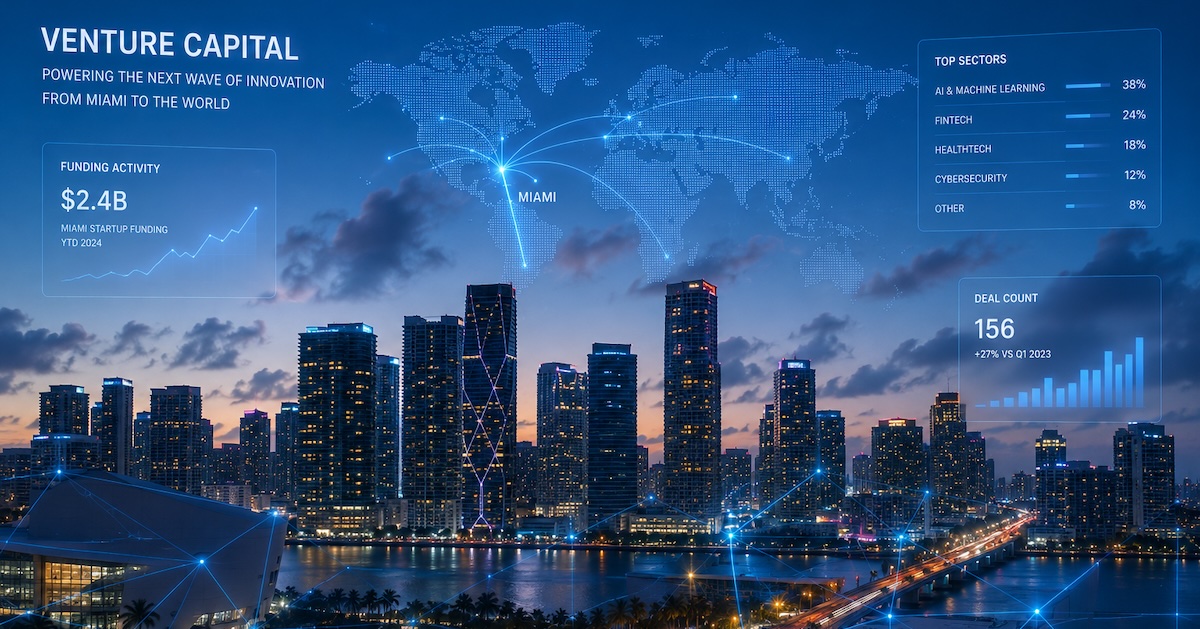
Miami doesn't build the chips or operate the hyperscale data centers driving this trillion-dollar figure, but the city has positioned itself as a magnet for capital circling the industry.
The region's growing venture ecosystem, fueled by an influx of investors and fintech talent since 2020, gives local startups opportunities to tap into AI-focused funding rounds as investors search for opportunities beyond Silicon Valley.
South Florida's universities and healthcare systems are also natural adopters of enterprise AI tools, from diagnostic support to logistics optimization, areas likely to see increased vendor investment as the broader market scales.
For local business leaders, the message is less about building infrastructure and more about positioning: companies that integrate AI thoughtfully into their operations now may be better placed to benefit as spending — and expectations — continue to rise nationally.