The AI boom isn't just testing the limits of computing power. It's beginning to test the limits of electrical infrastructure.
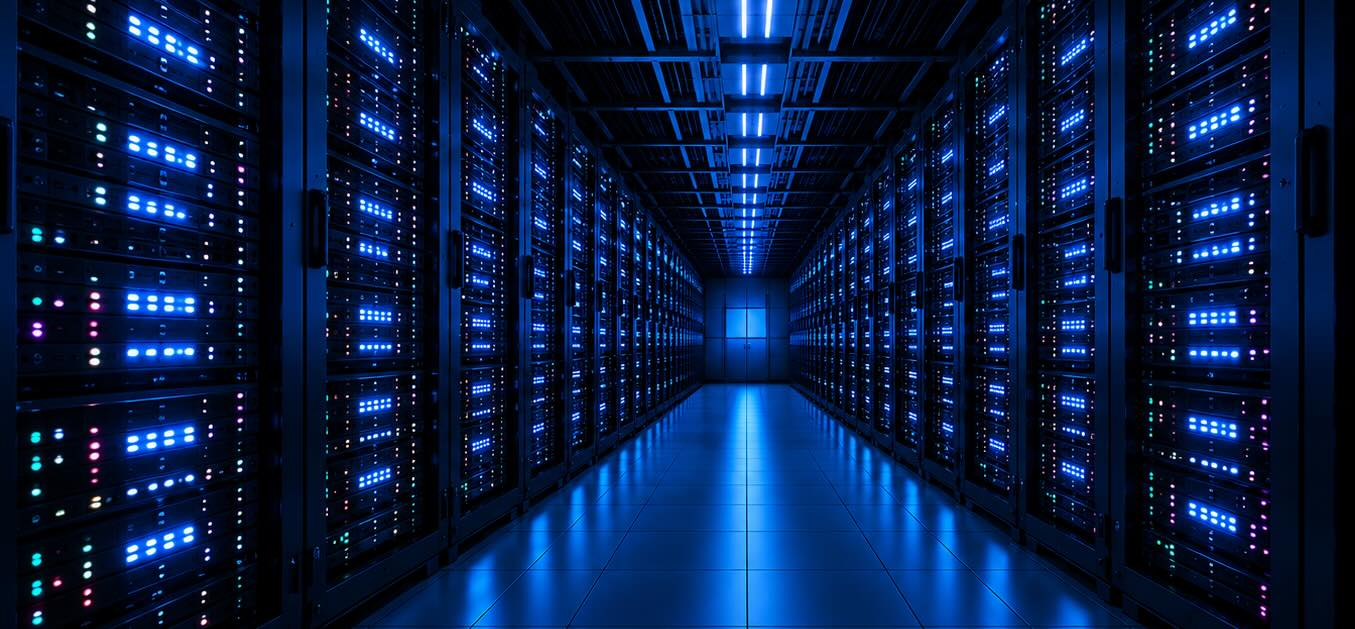
According to reporting from The Japan Times, the rapid fluctuations created by AI training and inference workloads are placing unexpected strain on the transformers, cooling systems and electrical equipment inside modern data centers.
Unlike traditional computing workloads, AI doesn't consume electricity at a steady pace.
Its power demand can surge and fall within seconds, creating stresses that much of today's infrastructure was never designed to handle.
Why Power Swings Matter
Conventional data centers, built to run email, websites and cloud storage, typically consumed power in relatively predictable patterns.
Utilities and facility operators could plan around those steady loads.
AI changes that equation.
Large language model training jobs can sit relatively idle before suddenly driving thousands of GPUs to full capacity, only for demand to fall again moments later. Across massive AI clusters, those swings can reach tens of megawatts in seconds.
That kind of volatility accelerates wear on transformers, switchgear and backup power systems, increasing maintenance requirements and, in some cases, contributing to unexpected outages.
"The biggest constraint on AI may no longer be chips. It may be the power systems keeping those chips running."
A Booming Industry Meets Physical Limits
Unlike software, electrical infrastructure can't simply be patched or upgraded overnight.
Utilities and data center operators are exploring a range of solutions, including on-site battery storage to smooth demand spikes, more sophisticated load forecasting, and redesigned electrical systems capable of handling rapid fluctuations.
Some hyperscale operators are also working more closely with grid providers to coordinate power demand rather than allowing sudden spikes to ripple through local networks.
None of these solutions comes cheaply.
And they are arriving just as billions of dollars are being committed to new AI data centers across the United States.
Beyond the Data Center
The implications extend well beyond server rooms.
Higher equipment wear means higher operating costs, which ultimately increase the cost of running AI models. Utilities facing unpredictable demand may also require developers to fund expensive grid upgrades before approving new projects.
That debate is already emerging in several U.S. markets where communities are questioning whether large AI facilities are placing too much strain on local electricity networks.
The AI story is often told through the lens of chips, software and investment.
This is a reminder that transformers, substations and power lines remain just as critical to the industry's future.
What This Means for Miami
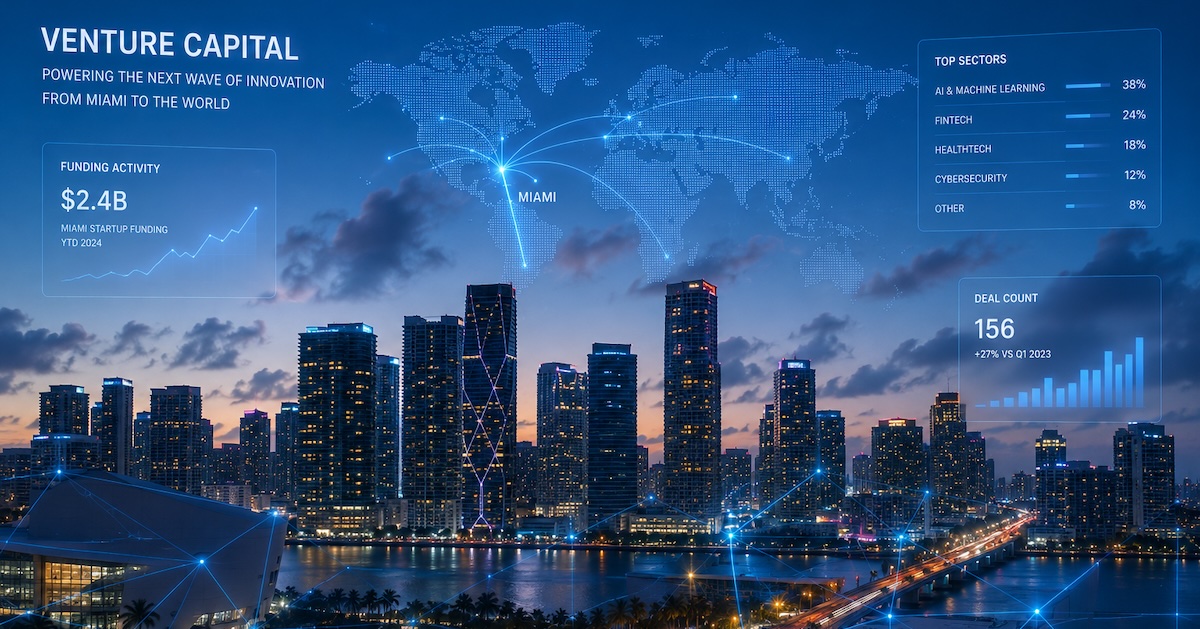
South Florida isn't yet a data center hub on the scale of Northern Virginia or Texas, but it is becoming an increasingly important market for cloud infrastructure, colocation facilities and edge computing supporting business across the Americas.
As AI adoption grows among Miami's fintech, healthcare and enterprise software companies, more workloads will depend on facilities facing these same power challenges.
Florida Power & Light and other regional utilities are also likely to encounter growing pressure as AI-driven demand expands across the state, particularly as Miami positions itself as a destination for AI startups and enterprise technology investment.
For investors evaluating local infrastructure and colocation projects, grid capacity and power reliability may soon become just as important as access to GPUs. The next major bottleneck in AI expansion may not be computing power, but the electrical infrastructure needed to support it.