You can invest billions in AI infrastructure. You still can't hire electricians who don't exist.
That's the challenge facing the companies racing to build the data centers powering everything from ChatGPT to enterprise AI platforms.
According to NBC News, a shortage of skilled construction workers, particularly electricians, pipefitters and other specialist trades, is slowing projects across the United States while pushing construction costs higher.
It's an unglamorous bottleneck for one of the world's fastest-growing industries.
The Physical Limits of a Digital Revolution
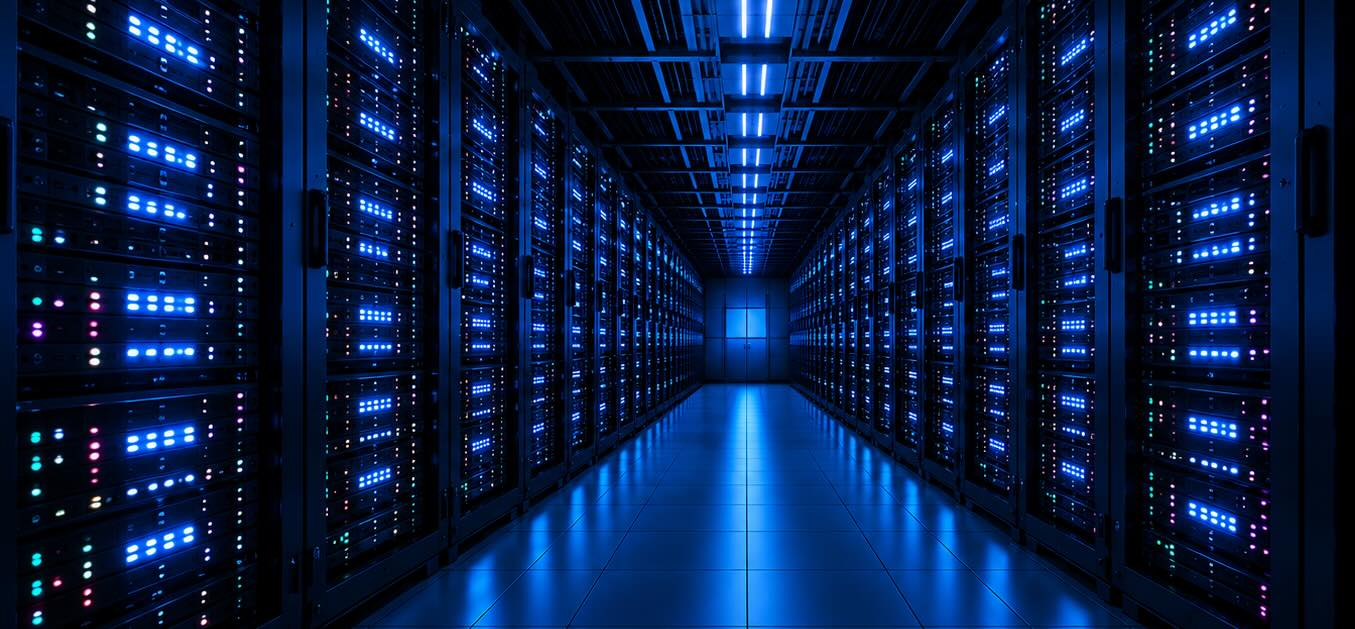
Every AI model ultimately depends on physical infrastructure.
Server racks, cooling systems, substations, fiber networks and electrical distribution all have to be designed, built and commissioned before a single AI query can be processed.
That work requires highly skilled tradespeople.
As Microsoft, Amazon, Google, Meta and other technology companies invest hundreds of billions of dollars in AI infrastructure, demand for those workers has accelerated just as the supply has tightened.
Training new electricians isn't a quick fix. Apprenticeship programs typically take four to five years, making today's labor shortages difficult to solve overnight.
"The AI race isn't just competing for chips and capital. It's competing for the skilled workers needed to build the infrastructure behind it."
A Shortage Years in the Making
The construction labor shortage began long before AI became mainstream.
An aging workforce, fewer young people entering the skilled trades and disruptions following the pandemic have left the industry struggling to meet demand.
AI has dramatically amplified that challenge.
Modern data centers require complex electrical systems and specialized installation work that extends well beyond conventional commercial construction.
The result is fierce competition for qualified workers, longer construction schedules and higher labor costs across the sector.
Why This Matters Beyond Construction
This isn't simply a challenge for contractors.
The speed at which AI companies can launch new services depends on having enough computing capacity, and computing capacity depends on new data centers coming online.
Construction delays can slow AI deployment, increase infrastructure costs and ultimately affect cloud pricing for businesses building AI applications.
It's another reminder that AI is no longer just a software story.
Its growth increasingly depends on energy infrastructure, supply chains, land availability and the skilled workforce required to build all of it.
A New Era for Skilled Trades
One consequence of the AI infrastructure boom is rising demand for skilled trade careers.
Electricians, pipefitters and industrial construction specialists are seeing increasing demand as developers compete to keep major projects on schedule.
Trade schools, apprenticeship programs and workforce development initiatives could become increasingly important as governments and industry look for long-term solutions to the labor shortage.
For many workers, AI isn't replacing jobs.
It's creating them.
What This Means for Miami
South Florida isn't yet a major AI data center market like Northern Virginia or Texas, but interest in Florida as an infrastructure destination continues to grow.
If AI-related developments expand across the state, access to skilled construction workers will become an increasingly important competitive advantage.
That creates an opportunity for Miami-Dade's technical colleges, apprenticeship programs and workforce development initiatives to train the electricians, HVAC specialists and industrial construction professionals future AI infrastructure will require.
For Miami's technology community, the lesson is broader than data centers alone. Behind every AI breakthrough is a growing demand for the people who build the physical infrastructure that makes it possible.