Billionaire investors don't usually invoke the dot-com crash unless they're trying to make people nervous.
That's exactly what Mark Cuban did recently when he compared Nvidia's investment behavior to the go-go IPO market of the late 1990s, a period remembered less for innovation than for the spectacular flameouts that followed it.
Cuban's comparison centers on a pattern that's becoming increasingly difficult to ignore: Nvidia isn't just selling chips anymore. It's increasingly investing in the same companies that buy those chips, creating a web of financial relationships that some analysts say can inflate demand signals across the AI sector.
Nvidia has poured money into AI startups, cloud providers and infrastructure companies, many of which turn around and spend heavily on Nvidia hardware. Cuban's point, echoing concerns voiced elsewhere on Wall Street, is that this can look less like purely organic demand and more like a dominant supplier helping bankroll its own customer base.
A Familiar Warning Sign
During the dot-com boom, investment banks and venture firms famously funded early-stage internet companies that had little revenue and even less of a business model, then took them public anyway.
Much of that capital cycled back into advertising, infrastructure and, in some cases, the very businesses that had helped finance the boom.
Cuban's framing suggests something similar could be happening in AI, just with a single dominant player at the center instead of an entire IPO ecosystem.
Nvidia's dominance is staggering by any measure. The company controls a huge share of the market for AI training chips, and its market capitalization has made it one of the world's most valuable companies.
That scale is precisely what makes Cuban's comparison worth examining.
Why Circular Deals Raise Red Flags
When a chipmaker invests in companies that then use that capital to buy its own products, it becomes harder to separate genuine market demand from demand supported by financing relationships.
Analysts have flagged similar dynamics involving other major AI players, where investments, cloud credits and purchase commitments can flow between a relatively small number of companies in ways that make growth numbers look stronger than the underlying economics might suggest.
None of this means Nvidia's business is built on fiction. Demand for AI chips remains real, and enterprise adoption of AI tools continues to grow.
But Cuban's warning lands at a moment when investors are already asking harder questions about whether AI valuations have run ahead of near-term profitability, particularly for smaller startups that depend heavily on Nvidia's backing to remain viable.
What Changes From Here
If Cuban's dot-com comparison gains traction, expect more scrutiny of vendor financing arrangements across the AI industry, not just at Nvidia.
Regulators, auditors and institutional investors have historically paid closer attention to circular revenue relationships once concerns about their economic substance emerge.
That scrutiny could slow the pace of some AI infrastructure deals, even if it doesn't derail the broader buildout.
The important distinction is between real demand and financially supported demand. Nvidia can simultaneously have an exceptionally strong underlying business and participate in financing structures that deserve scrutiny.
For investors, those two things aren't mutually exclusive.
What This Means for Miami
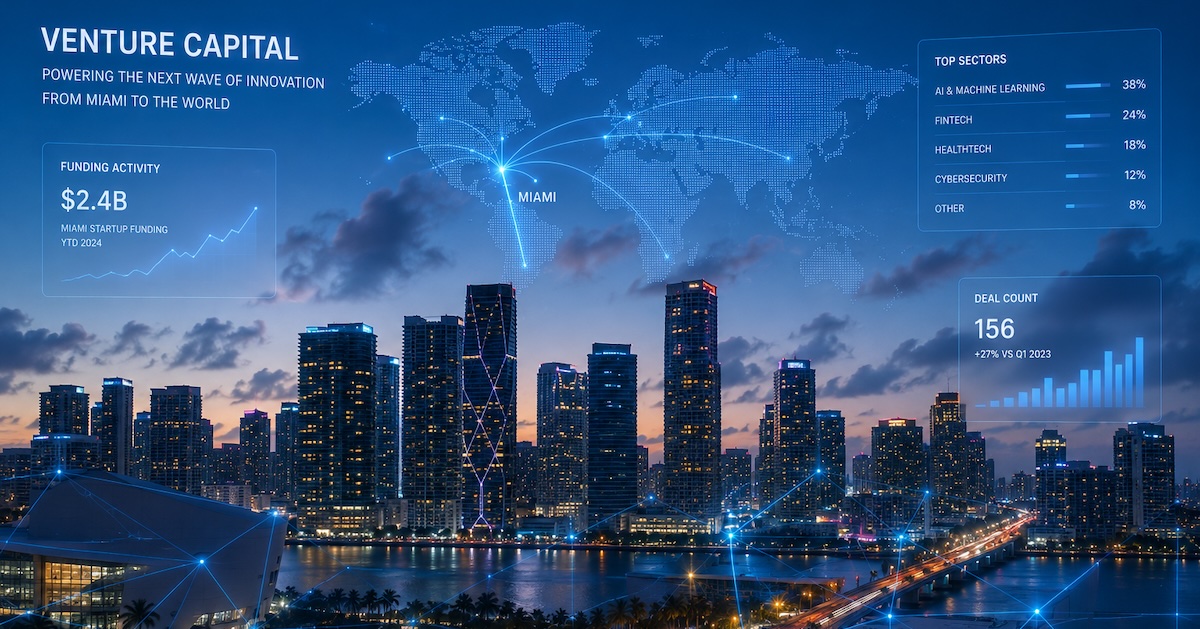
South Florida's AI ecosystem has grown quickly, powered partly by capital flowing into infrastructure, data centers and startups betting on continued enterprise AI adoption.
If Wall Street starts pricing in more caution around AI valuations, Miami-based venture funds and founders chasing later-stage funding rounds could feel it first. Inflated valuations upstream tend to filter down through the venture pipeline.
Local investors evaluating AI startups may want to look more closely at how companies are financing their compute costs and whether vendor relationships are supporting growth metrics.
For Miami's growing base of AI-focused companies and investors, the lesson isn't that the boom is fake.
It's that the difference between durable demand and circular financing is about to matter a lot more than it has so far.