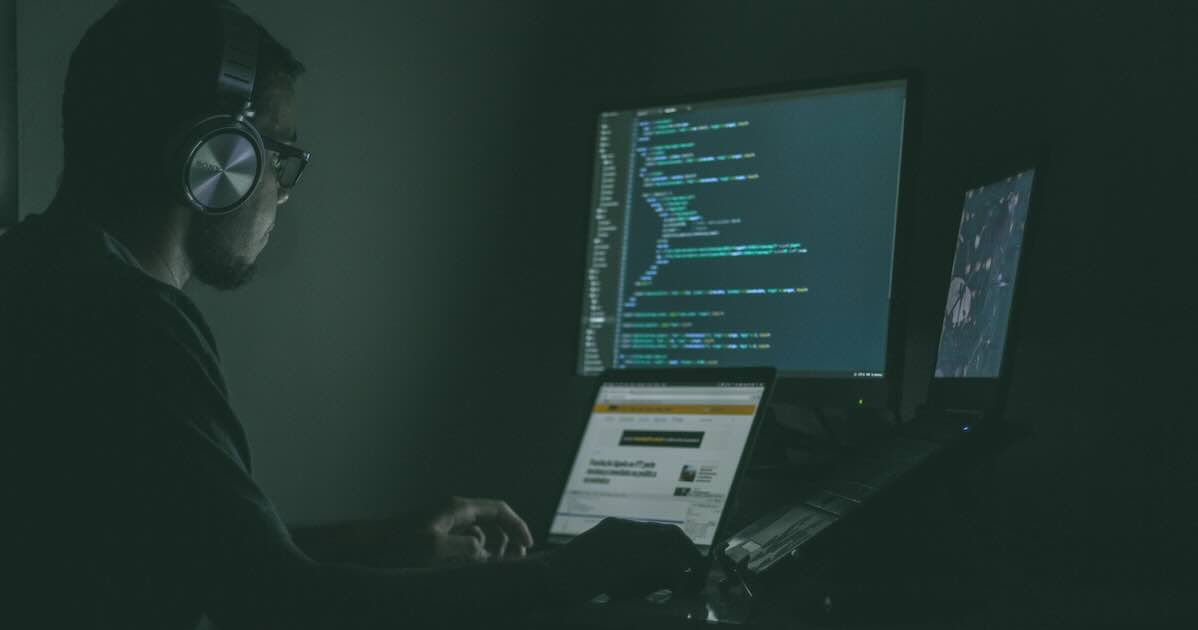
Imagine receiving hundreds of emails every week claiming your systems are vulnerable—and discovering that most of them are false alarms.
That's the reality facing cybersecurity teams at critical infrastructure operators, according to security professionals interviewed by E&E News.
Generative AI tools are producing vulnerability reports at a pace that far exceeds human verification capacity, and the resulting flood of alerts is becoming a problem in its own right.
The issue isn't that AI struggles to find potential vulnerabilities.
It's that AI is exceptionally good at identifying something that resembles a vulnerability, whether it actually poses a risk or not.
Too Much of a Good Thing
AI-powered scanning tools can analyze software, code and network configurations at a scale that no human team could match.
In theory, that's a major advantage for defenders.
In practice, many security teams say they're drowning in alerts.
Every flagged issue—whether genuine or not—still requires human review before action can be taken.
Instead of eliminating work, AI has shifted the bottleneck downstream to security analysts who are already operating with limited resources.
The problem mirrors what bug bounty programs have experienced for years: overwhelming numbers of low-quality submissions competing with legitimate security findings.
AI has simply accelerated that trend.
The challenge is particularly acute for critical infrastructure operators.
Utilities, water systems and industrial facilities often rely on legacy technology that was never designed for today's cybersecurity landscape, while many operate with relatively small security teams.
Adding thousands of AI-generated findings into that environment turns vulnerability management into a constant triage exercise.
AI Is Helping—and Hurting
The irony is difficult to ignore.
AI is making it easier than ever to discover genuine vulnerabilities before attackers do.
At the same time, it is making it harder to identify which alerts deserve immediate attention.
Security teams have traditionally assumed that more visibility into system weaknesses is always beneficial.
That assumption begins to break down when the volume of alerts exceeds the organization's ability to investigate them.
The greatest risk is that a genuinely critical vulnerability could become buried beneath hundreds of AI-generated false positives, delaying remediation until attackers exploit it.
Meanwhile, cybercriminals are deploying many of the same AI-powered tools to search for weaknesses at scale, placing additional pressure on defenders.
Industry groups are now calling for improved standards around AI-assisted vulnerability reporting and validation, although practical solutions are still evolving.
Why It Matters Now
Federal agencies such as CISA have spent years encouraging critical infrastructure operators to strengthen their cyber defenses.
AI was expected to help close that gap.
Instead, it has highlighted another constraint: the shortage of experienced cybersecurity professionals capable of interpreting and validating AI-generated findings.
Software can generate an unlimited number of alerts.
Human expertise remains the limiting factor.
As organizations continue adopting AI-powered security platforms, that imbalance is likely to become even more pronounced.
What This Means for Miami
South Florida's critical infrastructure operators—from Florida Power & Light to municipal utilities and transportation networks—face many of the same challenges emerging across the country.
At the same time, Miami's expanding cybersecurity, cloud infrastructure and enterprise AI sectors have an opportunity.
Companies developing smarter filtering, prioritization and verification tools for AI-generated security alerts could find growing demand as organizations struggle with alert overload.
For local universities and workforce development programs, the message is equally clear: the future cybersecurity bottleneck is unlikely to be AI itself. It will be the availability of skilled professionals capable of interpreting AI-generated findings, prioritizing real threats and making sound security decisions.